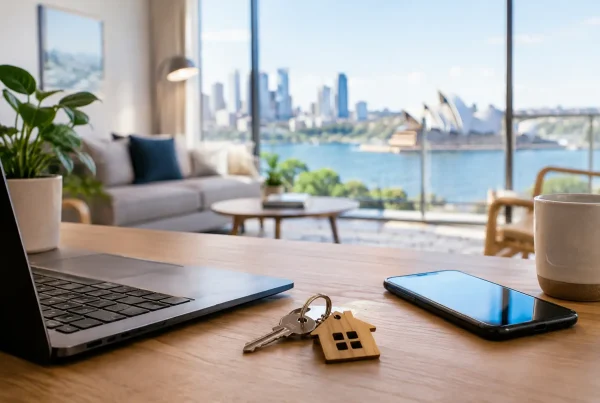
A well-located apartment in Sydney or a coastal home near Melbourne can earn strongly through short stays, but only when every guest experience is properly controlled. Holiday home management is not simply placing a property on Airbnb and waiting for bookings. It is the disciplined daily work of protecting a valuable asset while delivering the cleanliness, responsiveness and presentation that guests expect to pay for.
For many owners, the income opportunity is clear. The operational reality is less obvious until the first late-night guest question, missed clean, damaged item or booking calendar conflict arrives. Professional management turns those moving parts into an accountable system.
What holiday home management should include
A capable manager takes responsibility for the full guest journey and the condition of the property between stays. That begins with a commercially considered listing: accurate photography, persuasive but truthful copy, appropriate rates and distribution across demand channels such as Airbnb, Stayz and VRBO. More exposure can improve booking opportunities, but only if calendars, pricing and guest communications are managed consistently across every channel.
Once a booking is confirmed, the work becomes practical. Guests need prompt answers before arrival, clear access instructions, reliable check-in coordination and a home that looks exactly as promised. A strong arrival experience reduces avoidable calls and negative reviews. It also establishes confidence that carries through the stay.
Behind the scenes, professional holiday home management coordinates cleaning, linen, consumables, inspections and maintenance. These are not minor details. A missed stain, empty soap dispenser or faulty air conditioner can undermine an otherwise excellent property and affect its future earning capacity through poor guest feedback.
The difference between supervision and ownership
Some operators offer a light-touch service that leaves owners organising trades, approving every small issue and chasing updates. That may suit an owner who lives nearby, has considerable spare time and wants to remain closely involved. It is rarely the right model for a busy owner seeking dependable income without another job.
End-to-end management means the manager has clear procedures, trusted local suppliers and the authority to address routine issues quickly. The owner should receive transparent communication and appropriate reporting, not a stream of preventable problems transferred back to them.
Returns depend on more than occupancy
Occupancy is an easy figure to focus on, but a full calendar does not automatically mean a well-performing property. Discounting heavily may secure nights while reducing revenue, attracting unsuitable bookings or increasing wear on the home. Conversely, setting rates too high can leave valuable dates vacant.
Effective pricing reflects more than school holidays and long weekends. It considers local events, booking lead times, length of stay, competing accommodation, day-of-week demand and the standard of the property itself. The goal is not to be the cheapest available option. It is to achieve the best sustainable return for a well-presented home.
Guest reviews are equally commercial. Cleanliness, communication, location accuracy and easy access shape whether travellers book and what they are prepared to pay. One avoidable low rating can have a longer effect than many owners anticipate, particularly where guests compare similar apartments at a glance.
A professional manager also recognises when higher revenue is not worth the associated risk. A last-minute booking may be worthwhile if guest screening, access and cleaning can be handled properly. If it cannot, protecting the property and the guest experience is the better decision.
Property protection requires routine, not good luck
A holiday property experiences more turnover than a conventional tenancy. Keys and access devices change hands, appliances are used frequently, linen moves constantly and minor damage can go unnoticed when changeovers are rushed. That is why inspections matter.
A proper inspection process checks more than whether beds are made. It identifies maintenance concerns before they become expensive, confirms that the home is guest-ready and records any issues requiring follow-up. Water leaks, loose fittings, deteriorating grout and appliance faults are easier to resolve early than after they interrupt a guest stay.
Inventory and presentation standards are also essential. Guests should find the same quality of essentials on every visit, from functioning Wi-Fi and sufficient kitchenware to fresh linen and clear house information. Consistency is not glamorous, but it is what supports five-star stays and protects the reputation of the listing.
Owners should ask how a prospective manager handles accidental damage, urgent maintenance and guest complaints. The answer should be specific. Vague assurances are not a process. A manager needs defined escalation pathways, reliable trades and clear communication about material issues affecting the asset.
Compliance is part of professional care
Short-stay accommodation operates within building rules, local requirements and safety obligations that vary by location and property type. Apartment owners may also need to consider strata by-laws, insurance conditions, fire safety requirements and limitations on guest behaviour.
No manager can remove every risk, but a licensed real estate professional can bring the appropriate discipline to operating a residential asset. Owners should be cautious of unqualified operators who treat short-term letting as a casual side business. Your property is too valuable to be managed through improvised processes.
The guest experience is an owner outcome
It is tempting to view guest service as separate from owner service. In reality, they are inseparable. Guests who receive clear instructions, responsive assistance and a clean, comfortable home are more likely to leave positive feedback, respect the property and return.
That does not mean agreeing to every request or allowing guests to disregard house rules. Good hospitality has boundaries. Expectations should be communicated clearly before arrival, and managers should respond calmly and decisively when an issue arises.
For corporate travellers and extended-stay guests, practical details often matter most: dependable internet, a functional workspace, well-equipped kitchens and quick support when something needs attention. For leisure guests, smooth access, local convenience and a home that feels cared for tend to drive satisfaction. The common requirement is reliability.
Holiday Rentals Australia applies this service-led approach by placing qualified and licensed real estate agents at the centre of management. For owners, that means a higher standard of accountability than an amateur host can reasonably provide. For guests, it means accommodation that is prepared, supported and maintained with care.
Choosing the right management arrangement
Before appointing a manager, look beyond an attractive commission rate. A lower fee can become expensive if it results in weak pricing, inconsistent cleaning, slow guest replies or maintenance that is left unresolved. Ask what is included, who is responsible for each task and how performance is measured.
Useful questions include how often the property is inspected, how guest communication is handled outside business hours, which booking channels are used, and how maintenance approvals work. Owners should also understand how cleaning standards are monitored and how the manager deals with a poor guest review or property complaint.
The right arrangement depends on the property and the owner’s priorities. A premium waterfront home may require more detailed inspections and a higher-touch guest service model than a compact city apartment. An owner using the property personally will need careful calendar control, while an investment-focused owner may prioritise pricing strategy and occupancy across peak periods.
The common requirement is confidence. You should know that your manager is protecting the home when you are unavailable, making commercially sound decisions and keeping you informed without creating unnecessary work.
A holiday home should generate income without becoming a source of constant interruption. Choose management that treats every clean, booking, inspection and guest interaction as part of the long-term value of your property.